The journey of gambling a historical perspective
The Origins of Gambling
The practice of gambling dates back thousands of years, with evidence suggesting that it originated in ancient civilizations. Archaeologists have found artifacts such as dice, which date back to 3000 BCE in Mesopotamia. These early forms of gambling were often tied to religious rituals and used as a means to predict the future. This connection to spirituality highlights the deep-rooted significance gambling held in ancient societies. Today, platforms like lizaro casino in worldwide continue the tradition of offering engaging gaming experiences.

As civilizations evolved, so did gambling practices. The ancient Chinese created keno, a lottery-style game, while the Romans enjoyed betting on gladiatorial games. These activities laid the groundwork for the structured gambling we see today. Over time, gambling became more organized, leading to the establishment of rules and the formation of games that are still played in various forms around the world.
The Rise of Casinos
The concept of casinos began to take shape in the 17th century in Italy, where the first official gaming houses were established. These venues offered a variety of games, attracting both nobility and commoners alike. The gambling culture in Europe flourished during this period, leading to the development of iconic games such as baccarat and roulette.
As the popularity of gambling grew, so did the need for regulation. Governments began to impose rules to ensure fair play and to generate revenue through taxation. This led to the establishment of more formal casino establishments across Europe and eventually the Americas, further embedding gambling into the social fabric of these societies.
The Influence of Technology
The 20th century marked a significant turning point for gambling, primarily due to advancements in technology. The introduction of electronic machines, such as the slot machine, revolutionized the gambling experience. These machines offered a quick and easy way for players to engage in gambling, significantly increasing its accessibility.
With the advent of the internet in the late 1990s, online gambling emerged as a new frontier. Players could now enjoy their favorite games from the comfort of their homes, making gambling more accessible than ever before. This shift has led to a dramatic increase in the number of online casinos and the variety of games available, reshaping the landscape of gambling globally.
The Evolution of Gambling Laws
Throughout history, gambling laws have varied widely between cultures and countries. In many places, gambling has faced legal scrutiny, with periods of prohibition followed by regulation. In the United States, for example, the Prohibition Era led to underground gambling operations that flourished despite legal restrictions.
In recent years, many jurisdictions have begun to legalize and regulate gambling, recognizing its potential as a significant source of revenue. This trend has spurred the growth of both land-based and online casinos, leading to debates about responsible gambling and the protection of players. The evolution of these laws continues to shape the gambling landscape, balancing economic interests with social responsibility.
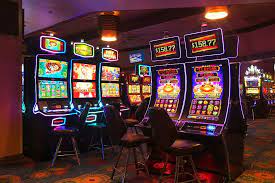
Modern Gambling Experiences: Lizaro Casino
Today, gambling has transformed into a multifaceted experience, with platforms like Lizaro Casino offering extensive online gaming options. Established in 2025, Lizaro Casino provides players with access to over 9,600 slot games and 330 live tables, ensuring an engaging experience for both novices and seasoned gamblers.
With a focus on user satisfaction, Lizaro Casino features secure payment methods, quick withdrawals, and round-the-clock customer support. New players are welcomed with enticing bonuses, providing an exciting introduction to the world of online gaming. As gambling continues to evolve, platforms like Lizaro Casino play a crucial role in shaping the future of this ever-changing industry.